
Last Update: June 9, 2026
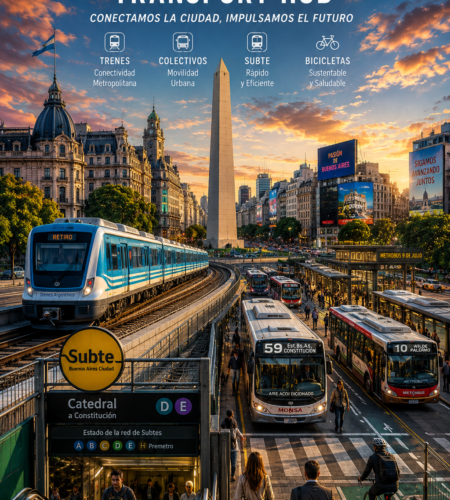
✨ Welcome to Buenos Aires – a city of grand avenues, yellow-and-black taxis, late-night buses, underground Subte lines, elegant railway stations, river ferries to Uruguay and two very different airports. Whether you are landing at Ezeiza after a long-haul flight, connecting through Aeroparque for Patagonia, taking a bus from Retiro, riding the Subte to San Telmo, or crossing the Río de la Plata to Colonia or Montevideo, Buenos Aires becomes much easier when you understand its transport hubs first.
This 2026 guide gives you a practical, traveller-friendly map of the system: airport connections, official fares, SUBE card basics, Red SUBE transfer discounts, train stations, long-distance buses, taxis, ride apps, bike share, ferries, car rentals, safety notes and useful contacts.
Important: Argentina has frequent price changes. Fares below were checked in June 2026, but you should confirm before travel, especially for airport transfers, long-distance buses, taxis, ferries and public transport fare updates.
Quick Answer: Best Transport Choices in Buenos Aires
If you arrive at Ezeiza International Airport (EZE) and want the easiest route to a hotel, use an official airport taxi/remis, a pre-booked transfer, or Tienda León shuttle. EZE is outside the city, so expect a longer ride: usually 45-90 minutes depending on traffic and neighbourhood.
If you arrive at Aeroparque Jorge Newbery (AEP), you are already close to central Buenos Aires. Taxi, BA Taxi, Cabify/Uber, Tienda León shuttle or city buses can get you to Palermo, Recoleta, Retiro, Microcentro or Puerto Madero quickly.
If you want the cheapest transport inside the city, get a SUBE card and use colectivos, Subte and trains. For June 2026, a registered SUBE makes fares much cheaper than an unregistered SUBE.
If you are moving between transport modes in the AMBA area, Red SUBE can discount combinations: the first trip is full price, the second trip gets 50% off, and the third trip onward gets 75% off within the transfer window, when rules apply.
If you want the most scenic short-distance option, use Ecobici or walk in neighbourhoods like Palermo, Recoleta, San Telmo, Puerto Madero and Microcentro. Buenos Aires is made for street-level exploring.
Airport Connections
Ezeiza International Airport (EZE)
Official name: Aeropuerto Internacional Ministro Pistarini
Official website: Aeropuertos Argentina – EZE
Location: Ezeiza, Buenos Aires Province, about 30-35 km southwest of central Buenos Aires.
Ezeiza is the main long-haul international airport for Buenos Aires. Most flights from Europe, North America and many intercontinental routes arrive here. It is outside the city, so your choice of transport matters more than it does at Aeroparque.
Best ways from Ezeiza to Buenos Aires city
Official taxi or remis
Official airport info: Aeropuertos Argentina – taxi and remises
This is the easiest door-to-door option. Use official airport taxi/remis counters or verified pre-booked services. Do not accept random offers from people approaching you inside arrivals.
Best for:
- First-time visitors.
- Late-night arrivals.
- Heavy luggage.
- Families or groups.
- Hotels in Palermo, Recoleta, San Telmo, Puerto Madero, Belgrano or areas not close to shuttle stops.
Typical ride time:
- EZE to Microcentro / San Telmo / Puerto Madero: 45-75 minutes.
- EZE to Palermo / Recoleta: 50-90 minutes.
- EZE to Aeroparque: 50-90 minutes.
Prices change often. In 2026, private transfers and official taxi/remis rides to central Buenos Aires are commonly quoted in the tens of thousands of Argentine pesos. Always confirm the final fare before leaving the airport counter or before accepting the app ride.
Tienda León shuttle
Official website: Tienda León
Tienda León is the classic airport shuttle service in Buenos Aires. It is usually more comfortable than a public colectivo and cheaper than a private taxi for solo travellers. It connects Ezeiza with central city terminals and Aeroparque, with services depending on schedule and availability.
Reference prices seen in 2026 travel listings:
- Ezeiza to central Buenos Aires terminal: around ARS 15,500.
- Ezeiza to Aeroparque: around ARS 16,000.
These are reference fares only. Check the official Tienda León website, airport counter or app before buying, because Argentine fares can change quickly.
Best for:
- Solo travellers.
- People connecting between EZE and AEP.
- Travellers who want a structured airport transfer without negotiating a taxi.
Pro tip: If your final hotel is not near the shuttle terminal, add the cost and time of a short taxi or ride app from the shuttle drop-off.
Public colectivo to/from Ezeiza
The cheapest route is the public bus network, especially the airport-serving branches of Line 8. It can be dramatically cheaper than taxi or shuttle, but it is slow, crowded at times and not ideal with large luggage.
Use it if:
- You travel light.
- You already have a SUBE card.
- You are comfortable with local buses.
- You are not arriving late at night.
- You do not mind a long ride.
June 2026 bus fare reference:
- National bus minimum fare with registered SUBE: ARS 714.
- CABA bus minimum fare with registered SUBE: ARS 788.28.
- Province of Buenos Aires bus minimum fare with registered SUBE: ARS 1,015.61.
The exact fare depends on route jurisdiction and distance. For airport travel, check your route in a live planner before relying on this option.
EZE to AEP airport transfer
Many Argentina itineraries require arriving at Ezeiza and departing from Aeroparque for domestic flights to Mendoza, Bariloche, Ushuaia, El Calafate, Iguazú or Salta.
Best options:
- Tienda León airport-to-airport shuttle.
- Official taxi/remis.
- Pre-booked private transfer.
- Ride app if you are comfortable with local pickup logistics.
Recommended minimum connection buffer:
- 4 hours: only if everything is on time, baggage is quick and traffic is light.
- 5-6 hours: safer for separate tickets or international-to-domestic transfers.
- More than 6 hours: ideal if you must re-check luggage, clear immigration, change airports and travel in rush hour.
Aeroparque Jorge Newbery (AEP)
Official website: Aeropuertos Argentina – AEP
Location: Avenida Costanera Rafael Obligado, beside the Río de la Plata, in the Palermo/Costanera Norte area.
Aeroparque is Buenos Aires’ most convenient airport for domestic and regional flights. It is close to Palermo, Recoleta, Retiro and the city centre, and it is often the best airport if your trip is within Argentina or nearby countries.
Best ways from Aeroparque to the city
Taxi, BA Taxi, Cabify, Uber or DiDi
AEP is close enough that taxi or ride app is often the simplest option. For Palermo, Recoleta, Retiro and Microcentro, the ride can be short outside peak traffic.
Best for:
- Most travellers with luggage.
- Late arrivals.
- Hotels in Palermo, Recoleta or Retiro.
- Groups of two or more.
Use the designated pickup area and confirm the plate number in the app. For official taxis, choose the official stand or use the BA Taxi app.
Tienda León from Aeroparque
Tienda León also operates from Aeroparque, including airport-to-airport and city terminal routes depending on schedules. It can be useful if your next stop is Ezeiza.
Public buses and Trambus pilot
Aeroparque is served by multiple city transport options. Public buses are cheap with SUBE, and the city has also been testing electric mobility corridors such as Trambus along Av. Juan B. Justo, connecting Aeroparque with western city areas during the pilot stage. Check live maps, because routing and operating details can change.
Best for:
- Light luggage.
- Daytime arrivals.
- Travellers staying near Palermo, Plaza Italia, Belgrano, Retiro or along a direct bus route.
SUBE Card & Public Transport Fares
Official SUBE site: argentina.gob.ar/sube
Official AMBA fares: Argentina.gob.ar – public transport fares
The SUBE card is the key to public transport in Buenos Aires. It is used for colectivos, Subte, trains and many services across the AMBA metropolitan area. Some Subte turnstiles also accept debit cards, credit cards, prepaid cards, NFC devices and QR payments, but for visitors, a SUBE is still the most flexible choice.
Where to get a SUBE card
You can usually buy or top up SUBE at kiosks, subway stations, train stations, official points and some tourist information points. Availability can vary, so do not leave it until the moment you need to board a bus.
Tourist tip: Buquebus notes that visitors can request a SUBE card at the Visit Buenos Aires stand in its terminal or at city tourist assistance centres. Availability may vary.
June 2026 fare snapshot
Public transport fares in Buenos Aires change often. The following were checked on the official Argentina.gob.ar fare table for June 2026.
Colectivos in the City of Buenos Aires
Lines fully within CABA:
| Distance | Registered SUBE | Social fare | Unregistered SUBE |
|---|---|---|---|
| 0-3 km | ARS 788.28 | ARS 354.72 | ARS 1,253.37 |
| 3-6 km | ARS 875.90 | ARS 394.15 | ARS 1,392.68 |
| 6-12 km | ARS 943.37 | ARS 424.51 | ARS 1,499.96 |
| 12-27 km | ARS 1,010.90 | ARS 454.90 | ARS 1,607.33 |
National bus lines in AMBA
Many important Buenos Aires routes are national jurisdiction lines because they cross jurisdictions.
| Distance | Registered SUBE | Social fare | Unregistered SUBE |
|---|---|---|---|
| 0-3 km | ARS 714.00 | ARS 321.30 | ARS 1,428.00 |
| 3-6 km | ARS 807.07 | ARS 363.18 | ARS 1,614.14 |
| 6-12 km | ARS 894.17 | ARS 402.37 | ARS 1,788.34 |
| 12-27 km | ARS 983.78 | ARS 442.70 | ARS 1,967.56 |
| Over 27 km | ARS 1,085.49 | ARS 488.47 | ARS 2,170.98 |
Trains
| Section | Registered SUBE | Social fare | Unregistered SUBE | Cash |
|---|---|---|---|---|
| Section 1 | ARS 350 | ARS 157.50 | ARS 700 | ARS 1,100 |
| Section 2 | ARS 470 | ARS 211.50 | ARS 940 | ARS 1,100 |
| Section 3 | ARS 590 | ARS 265.50 | ARS 1,040 | ARS 1,100 |
Subte
| Monthly ride count | Registered SUBE | Unregistered SUBE |
|---|---|---|
| 1-20 rides | ARS 1,558.00 | ARS 2,477.22 |
| 21-30 rides | ARS 1,246.40 | ARS 1,981.78 |
| 31-40 rides | ARS 1,090.60 | ARS 1,734.05 |
| 41+ rides | ARS 934.80 | ARS 1,486.33 |
Premetro
- Registered SUBE: ARS 545.30.
- Unregistered SUBE: ARS 867.03.
Red SUBE transfer discounts
Official info: Red SUBE
Red SUBE is the integrated transfer discount system for AMBA public transport. It can apply when combining eligible trains, national/CABA buses, Metrobus and Subte.
How it works:
- 1st trip: full fare.
- 2nd trip: 50% discount.
- 3rd trip and onward: 75% discount.
- Transfer window: up to 2 hours from the first payment.
- Maximum: up to 5 combinations with discounts.
- Requirement: use the same eligible payment method.
Important exclusions:
- Provincial bus services in Buenos Aires Province are excluded from the official Red SUBE benefit in some cases.
- If you use a different payment method, the system may not apply the discount.
- If you pay for more than one person with the same SUBE, Red SUBE is personal and may only discount the first passenger’s eligible trip.
Pro tip: Register your SUBE if you can. Registered fares are much cheaper than unregistered fares in 2026.
Subte, Colectivos & Metrobus
Subte
Official city page: Buenos Aires Subte
The Buenos Aires Subte is the fastest way to move across many central neighbourhoods. It has 6 lines plus Premetro, more than 64 km of track and over 100 operational stations.
Main lines:
- Line A: Plaza de Mayo – San Pedrito.
- Line B: Leandro N. Alem – Juan Manuel de Rosas.
- Line C: Retiro – Constitución.
- Line D: Catedral – Congreso de Tucumán.
- Line E: Retiro – Plaza de los Virreyes.
- Line H: Facultad de Derecho – Hospitales.
- Premetro: connects with Line E at Plaza de los Virreyes.
Best tourist uses:
- Line D for Palermo, Plaza Italia, Bulnes/Alto Palermo, Recoleta-adjacent areas and Microcentro.
- Line C for Retiro to Constitución.
- Line A for Plaza de Mayo, Congreso, Once and historic stations.
- Line B for Corrientes Avenue, Abasto, Chacarita and Villa Crespo.
- Line H for Recoleta, Once, Corrientes transfer points and Parque Patricios.
Payment:
- SUBE.
- Credit/debit/prepaid cards, NFC and QR at identified validators in stations.
Pro tip: The Subte is excellent in the day and early evening, but it does not run all night. Late-night Buenos Aires is usually taxi, ride app or colectivo territory.
Colectivos
The colectivo is the most Buenos Aires form of transport. Buses cover almost every part of the city and many run late or all night. They are cheap, frequent and sometimes confusing until you learn the system.
How to ride:
- Check your line and direction in Google Maps, Moovit, BA Cómo Llego or Mapa Buenos Aires.
- Wait at the correct stop.
- Tell the driver your destination or fare zone if needed.
- Tap SUBE.
- Watch your location and request the stop before arrival.
Best for:
- Reaching places not close to Subte.
- Late-night transport.
- Cross-neighbourhood trips.
- Budget travel.
Watch out:
- Some routes are operated by different jurisdictions and fares/rules can vary.
- Crowding is normal at rush hour.
- With luggage, colectivos are less comfortable than taxi or shuttle.
Metrobus
Buenos Aires has multiple Metrobus corridors with dedicated lanes for buses. The official city tourism page lists 9 corridors, including 9 de Julio, Juan B. Justo, Norte, Bajo, Sur, San Martín and AU 25 de Mayo.
Metrobus is useful because it speeds up bus travel along busy avenues. For visitors, the most visible one is Metrobus 9 de Julio, running along one of the widest avenues in the world, near the Obelisco and Teatro Colón.
Rail & Train Stations
Official schedules and fares: Trenes Argentinos
Buenos Aires has several large railway terminals. Unlike cities with one central rail station, Buenos Aires uses different termini for different directions.
Retiro Railway Complex
Area: Retiro, near Plaza San Martín, the long-distance bus terminal and the northern edge of Microcentro.
Main lines:
- Mitre Line: north and northwest suburbs, including Tigre.
- San Martín Line: northwest corridor.
- Belgrano Norte Line: northern suburbs.
Connections:
- Subte Line C and Line E.
- Retiro long-distance bus terminal.
- Nearby Buquebus terminal in Puerto Madero.
- Many colectivos and taxis.
Best for:
- Tigre day trips by Mitre Line.
- North and northwest suburbs.
- Transfers to long-distance buses.
Pro tip: Retiro is a major transport area with heavy foot traffic. Keep bags close, especially outside stations and at night.
Constitución Station
Area: Plaza Constitución, south of Microcentro.
Main line:
- Roca Line.
Best for:
- Southern suburbs.
- La Plata routes.
- Connections toward Ezeiza area by rail/bus combinations, though airport access by train is not direct.
Connections:
- Subte Line C.
- Many colectivos.
Once Station
Officially: Once de Septiembre.
Area: Balvanera, near Plaza Miserere.
Main line:
- Sarmiento Line.
Best for:
- Western suburbs such as Caballito, Flores, Liniers, Morón and Moreno.
Connections:
- Subte Line A.
- Subte Line H nearby.
- Many colectivos.
Federico Lacroze Station
Area: Chacarita.
Main line:
- Urquiza Line.
Connections:
- Subte Line B at Federico Lacroze.
- Chacarita cemetery, Villa Crespo and nearby bus routes.
Belgrano Sur and other rail links
The metropolitan rail network includes additional lines and branches across AMBA. If your trip is outside core tourist neighbourhoods, always check Trenes Argentinos and live apps before travelling, because construction, service changes and rolling stock issues can affect schedules.
Central Bus Terminals
Retiro Bus Terminal
Common address: Av. Antártida Argentina 1202-1300, Retiro, Buenos Aires.
Official terminal website: Terminal Retiro
Retiro is Buenos Aires’ main long-distance bus terminal and one of Argentina’s major intercity coach hubs. It connects Buenos Aires with destinations across Argentina and neighbouring countries.
Popular routes:
- Mar del Plata.
- Córdoba.
- Rosario.
- Mendoza.
- Bariloche.
- Salta.
- Iguazú / Puerto Iguazú.
- Neuquén.
- San Luis.
- Asunción, Santiago, Montevideo and other international routes depending on operator.
Facilities usually include ticket counters, platforms, kiosks, food outlets, taxis and CNRT passenger assistance. Check your ticket carefully for platform, terminal and departure time.
Best for:
- Overnight buses across Argentina.
- Budget intercity travel.
- Routes with limited train service.
Safety tip: Retiro is busy and useful, but the area around the terminal can feel rough, especially late at night. Use official taxis, ride apps, or move directly between terminal and transport.
Terminal Dellepiane
Address: Av. Perito Moreno 3950, Villa Soldati, Buenos Aires.
City info: Terminal Dellepiane
Dellepiane is a newer bus terminal in the south of the city, designed to reduce pressure on Retiro. Some companies and routes use it, but Retiro remains the better-known hub for many travellers.
Best for:
- Specific operators listing Dellepiane on the ticket.
- Trips where the bus company explicitly departs from there.
Do not assume your bus leaves from Retiro. Always check the ticket.
Ferry Terminals to Uruguay
Buenos Aires is also a river gateway. Ferries cross the Río de la Plata to Colonia del Sacramento and Montevideo, making Uruguay one of the easiest international side trips from the city.
Buquebus Terminal – Puerto Madero
Official terminal info: Buquebus terminals
Address: Av. Antártida Argentina 821, 1104 Ciudad de Buenos Aires.
Routes:
- Buenos Aires – Colonia.
- Buenos Aires – Montevideo.
- Buenos Aires – Uruguay bus/ferry combinations depending on service.
Best for:
- Comfortable ferry services.
- Day trips to Colonia.
- Montevideo connections.
- Travellers staying near Retiro, Microcentro or Puerto Madero.
Pro tip: Arrive early because ferry trips include check-in, baggage control and immigration formalities.
Colonia Express Terminal – Puerto Madero Sur
Official terminal info: Colonia Express terminals
Address: Av. Elvira Rawson de Dellepiane 155, Puerto Madero Sur.
Routes:
- Buenos Aires – Colonia.
- Bus/ferry combinations to Montevideo, Punta del Este and other Uruguay destinations depending on ticket.
Best for:
- Colonia day trips.
- Price comparison with Buquebus.
- Uruguay connections.
Pro tip: Buquebus and Colonia Express use different terminals in Puerto Madero. Do not go to the wrong one.
Taxi & Ride Options
Official city taxis
Official app: BA Taxi
Buenos Aires taxis are black and yellow and widely available. They can be hailed on the street, taken from stands, requested by phone/radio taxi, or ordered through BA Taxi.
BA Taxi advantages:
- Official city taxi app.
- Driver and vehicle details.
- Fare estimate.
- Cash, debit, credit and QR payment options.
- Safer than accepting an unknown car.
Taxi fare structure:
- Initial fare: bajada de bandera.
- Additional fare by distance and waiting time.
- Night tariff may apply.
- Out-of-city rides may include extra return-related charges.
For tourists, BA Taxi, radio taxis or app-based rides are usually easier than negotiating on the street.
Ride apps
Common ride apps in Buenos Aires include:
- Cabify.
- Uber.
- DiDi.
Availability, wait times and payment preferences can vary. In Argentina, some drivers may prefer cash or local payment methods, and airport pickup rules can be different from city rides.
Best use cases:
- Palermo to San Telmo at night.
- Hotel to Aeroparque.
- Retiro terminal to hotel.
- Late dinners, tango shows or nightlife.
Pro tip: Set up ride apps before arrival, with a working phone number and payment method. For reliable mobile data, you can compare travel eSIM options through <a href=”https://yesim.app/?partner_id=1973″ rel=”sponsored noopener” target=”_blank”>Yesim</a>.
Remises
A remis is a private car with driver booked through an agency, hotel, airport counter or transfer service. Prices are usually agreed before the trip.
Best for:
- Airport transfers.
- Families.
- Travellers who want fixed-price service.
- Late-night or early-morning rides.
Rentals & Shared Mobility
Car rentals
Buenos Aires city itself does not require a car. In fact, a car can be inconvenient because of traffic, parking rules, tolls, one-way streets and local driving style. But renting can be useful for road trips outside the city.
Good car rental use cases:
- Pampas road trips.
- Tigre Delta outskirts.
- Estancias outside Buenos Aires.
- Coastal trips toward Mar del Plata.
- Multi-day Argentina itineraries where public transport is inconvenient.
Compare rental options: <a href=”https://www.discovercars.com/?a_aid=Valsoray” rel=”sponsored noopener” target=”_blank”>DiscoverCars</a>
City driving notes:
- The city tourism office notes that rental cars generally require being over 21, holding a valid licence with at least two years’ history, and a credit card with enough limit for deposit and guarantee.
- Buenos Aires highways require TelePASE or an approved alternative for tolls.
- Parking signs can be strict and confusing.
- Avoid driving in Microcentro and around Retiro if you do not need to.
Ecobici
Official tourist info: Ecobici for tourists
Official use guide: How to use Ecobici
Ecobici is Buenos Aires’ public bike-share system. It is one of the nicest ways to enjoy the city when the weather is good.
Official city tourism notes:
- Buenos Aires has around 300 km of bike lanes and bike paths.
- BA Ecobici has hundreds of stations and thousands of bikes.
- Bikes are available 24 hours a day, 365 days a year.
- Foreign tourists can buy tourist passes through the app.
Best areas for bikes:
- Palermo parks.
- Recoleta.
- Puerto Madero.
- Costanera.
- San Telmo to La Boca by selected routes.
- Belgrano and Núñez.
Safety tips:
- Use bike lanes where possible.
- Wear a helmet if available.
- Avoid using headphones.
- Do not ride with your phone in your hand.
- Check the bike before unlocking.
- Dock it properly and wait for confirmation.
Walking
Buenos Aires is one of Latin America’s great walking cities. The best areas for walking include:
- Recoleta.
- Palermo Soho and Palermo Hollywood.
- San Telmo.
- Microcentro.
- Puerto Madero.
- Avenida de Mayo.
- Plaza San Martín.
- Belgrano.
Walking is often faster than waiting for transport for short distances, especially in Palermo, Recoleta and San Telmo.
FAQ
What is the best way from Ezeiza Airport to Buenos Aires?
For comfort, take an official taxi/remis or pre-booked transfer. For solo travellers who want a cheaper structured option, Tienda León is useful. For the cheapest option, public colectivo routes exist, but they are slow and not ideal with heavy luggage.
What is the cheapest way from Ezeiza to the city?
The cheapest is public bus/colectivo with SUBE, often via Line 8 depending on your route. It can cost close to normal bus fares, but it may take much longer than taxi or shuttle.
How do I transfer between Ezeiza and Aeroparque?
Use Tienda León, official taxi/remis, a pre-booked transfer or ride app. Allow at least 4 hours between flights, and preferably 5-6 hours if tickets are separate or you need to collect and re-check luggage.
Is Aeroparque better than Ezeiza?
For domestic and regional flights, Aeroparque is usually much more convenient because it is close to the city. For long-haul international flights, Ezeiza is the main airport.
Do I need a SUBE card?
Yes, if you plan to use buses, trains or many local transport options. Subte has expanded payment methods, but SUBE remains the most useful card for the whole system.
Can tourists use Ecobici?
Yes. The city states that tourists can use Ecobici by registering online or through the BA Ecobici app. Tourist pass options may differ from resident options.
Is the Subte safe?
Generally yes during normal hours, but keep your phone and wallet secure. Pickpocketing can happen in crowded stations and trains, especially during rush hour.
Is Retiro safe at night?
Retiro is a major transport hub, but the area outside the bus and train terminals can be uncomfortable late at night. Use official taxis or ride apps, keep luggage close, and avoid wandering with valuables.
Can I take a ferry from Buenos Aires to Uruguay?
Yes. Buquebus and Colonia Express operate ferries from Puerto Madero to Colonia and Montevideo or ferry/bus combinations. Check passport, visa and entry requirements before booking.
Should I rent a car in Buenos Aires?
Not for the city. Use public transport, taxi, ride apps, walking and bikes. Rent a car only for road trips outside the city.
Tips for Smooth Travel in Buenos Aires
Register your SUBE when possible. In 2026, registered SUBE fares are much lower than unregistered fares.
Check fares before each trip. Argentina’s transport prices can change monthly or even more frequently.
Use the same payment method for Red SUBE. Transfer discounts depend on using the same eligible method inside the rules.
Keep small cash. Some taxis, kiosks, luggage storage counters or small shops may prefer cash.
Download key apps before arrival. Useful apps include SUBE, BA Taxi, BA Ecobici, Google Maps, Moovit, Cabify, Uber, DiDi and your airline apps.
Plan airport transfers carefully. EZE is far from the city, AEP is close, and traffic between them can be unpredictable.
Leave buffer time for Retiro and ferries. Big terminals, check-in queues, luggage and immigration can slow you down.
Avoid unofficial transport offers. At airports and terminals, use official counters, apps, radio taxis, hotel transfers or known operators.
Use the Subte for central movement. It is usually faster than street traffic on weekdays.
Use colectivos like a local. They are cheap, frequent and extensive, but take practice.
Bike in the right neighbourhoods. Palermo, Recoleta, Puerto Madero and the waterfront are better for visitors than chaotic central avenues.
Stay connected. A working phone makes Buenos Aires much easier for maps, ride apps and fare checks. For mobile data, consider <a href=”https://yesim.app/?partner_id=1973″ rel=”sponsored noopener” target=”_blank”>Yesim</a>.
Choose tours when they save time. For tango nights, football experiences, Tigre Delta trips, food walks or Colonia day trips, compare options through <a href=”https://www.viator.com/?pid=P00282913&mcid=42383&medium=link” rel=”sponsored noopener” target=”_blank”>Viator</a>.
Book near your transport logic. For first-time visitors, Palermo, Recoleta, Retiro, Microcentro, San Telmo and Puerto Madero all have different advantages. Compare stays through <a href=”https://expedia.com/affiliates/hedonism/cloud” rel=”sponsored noopener” target=”_blank”>Expedia</a>.
For longer trips, check travel medical coverage. If you are travelling long-term or working remotely, review policy details through <a href=”https://safetywing.com/?referenceID=26541585&utm_source=26541585&utm_medium=Ambassador” rel=”sponsored noopener” target=”_blank”>SafetyWing</a>.
Support independent travel guides. If this project helps you plan better, you can support HEDONISM.cloud on <a href=”https://www.patreon.com/HEDONISMcloud” rel=”sponsored noopener” target=”_blank”>Patreon</a>.
Useful Contacts
Ezeiza International Airport (EZE)
- Official website: Aeropuertos Argentina – EZE
- Airport operator: Aeropuertos Argentina
- Complaints line listed by airport operator: 0800-666-7979
Aeroparque Jorge Newbery (AEP)
- Official website: Aeropuertos Argentina – AEP
- Location: Av. Costanera Rafael Obligado, Buenos Aires
SUBE
- Official website: argentina.gob.ar/sube
- Red SUBE info: argentina.gob.ar/redsube
Subte / Emova
- Official operator site: emova.com.ar
- City Subte info: buenosaires.gob.ar/subte
Trenes Argentinos
- Schedules, routes and fares: argentina.gob.ar/trenes-argentinos/horarios-recorridos-tarifas
BA Taxi
- Official city app info: BA Taxi
Ecobici
- Tourist info: Ecobici para turistas
- App/system: BA Ecobici
Ferries
- Buquebus: buquebus.com
- Colonia Express: coloniaexpress.com
Emergency and city services
- Emergency: 911
- Medical emergency SAME: 107
- City assistance: 147
Travel Planning Tools
Use these only when they genuinely fit your trip:
- Mobile data/eSIM: <a href=”https://yesim.app/?partner_id=1973″ rel=”sponsored noopener” target=”_blank”>Yesim</a>
- Hotels and trip packages: <a href=”https://expedia.com/affiliates/hedonism/cloud” rel=”sponsored noopener” target=”_blank”>Expedia</a>
- Tours, tango, food walks and day trips: <a href=”https://www.viator.com/?pid=P00282913&mcid=42383&medium=link” rel=”sponsored noopener” target=”_blank”>Viator</a>
- Car rentals: <a href=”https://www.discovercars.com/?a_aid=Valsoray” rel=”sponsored noopener” target=”_blank”>DiscoverCars</a>
- Travel medical insurance: <a href=”https://safetywing.com/?referenceID=26541585&utm_source=26541585&utm_medium=Ambassador” rel=”sponsored noopener” target=”_blank”>SafetyWing</a>
- Support independent travel guides: <a href=”https://www.patreon.com/HEDONISMcloud” rel=”sponsored noopener” target=”_blank”>Patreon – HEDONISM.cloud</a>
Affiliate disclosure: Some links above are sponsored or affiliate links. They help support the project at no extra cost to you. Recommendations are included only where they are useful for the trip.
Final Word
Buenos Aires is a transport city with many layers: airport shuttles, local buses, old Subte stations, big rail terminals, overnight coaches, official taxis, bike lanes and ferries across the Río de la Plata. The trick is to match the mode to the moment.
Use Ezeiza with a planned transfer. Use Aeroparque when convenience matters. Use SUBE for everyday movement. Use Subte for speed, colectivos for reach, Retiro for long-distance buses, Buquebus or Colonia Express for Uruguay, and taxis or ride apps when luggage or late nights make public transport less attractive.
Do that, and Buenos Aires opens beautifully: a morning coffee in Recoleta, a Subte ride to Avenida de Mayo, a bike through Palermo, a ferry to Colonia, and a late dinner that starts when other cities are already asleep.
Safe travels and enjoy Buenos Aires.
Sources Checked
- Buenos Aires tourism transport guide: turismo.buenosaires.gob.ar
- Argentina public transport fares, June 2026: argentina.gob.ar/redsube/tarifas-de-transporte-publico-amba
- Red SUBE: argentina.gob.ar/redsube
- SUBE: argentina.gob.ar/sube
- Subte fares and payment methods: buenosaires.gob.ar/subte/tarifas-pases-y-abonos/tarifas
- Aeropuertos Argentina – EZE: aeropuertosargentina.com/es/EZE
- Aeropuertos Argentina – AEP: aeropuertosargentina.com/es/AEP
- Trenes Argentinos schedules and fares: argentina.gob.ar/trenes-argentinos/horarios-recorridos-tarifas
- BA Taxi: buenosaires.gob.ar/bataxi/ba-taxi-pasajeros
- Ecobici for tourists: buenosaires.gob.ar
- Buquebus terminals: buquebus.com
- Colonia Express terminals: app.coloniaexpress.com/ar/terminales
Comments