
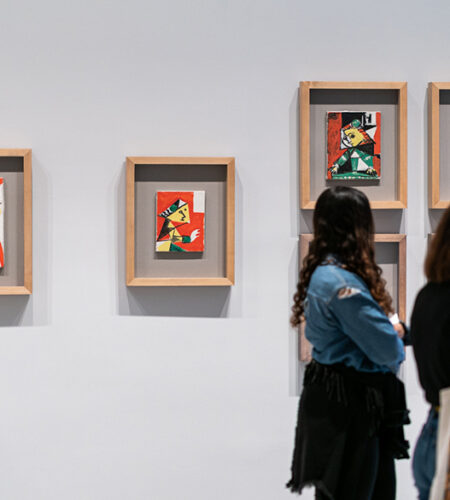
A Visitor’s Guide to the Picasso Museum: History, Collections, and Highlights
The Picasso Museum (Museu Picasso) in Barcelona is one of the most significant museums dedicated to the life and works of the iconic Spanish artist Pablo Picasso. Housed in five interconnected medieval palaces in the El Born district, the museum offers a comprehensive look at Picasso’s early years and his deep connection to Barcelona. It is home to over 4,000 works, making it one of the most extensive collections of Picasso’s art in the world. Visitors can trace the development of the artist from his formative years in Barcelona to his rise as one of the most influential figures in modern art.
The Picasso Museum is a must-visit for art lovers and anyone interested in understanding the evolution of one of the 20th century’s greatest artists. The museum provides insight into Picasso’s artistic journey, with a focus on his early works, his Blue Period, and his relationship with Barcelona, a city that played a vital role in shaping his creative vision.
A Brief History of the Picasso Museum
The Picasso Museum was inaugurated in 1963 and was the first museum dedicated entirely to Picasso’s work. The museum’s creation was made possible through the efforts of Picasso’s close friend and secretary, Jaume Sabartés, who donated his personal collection of Picasso’s works to the city. Although Picasso himself never lived permanently in Barcelona after his youth, he had a deep connection to the city, and it was here that he received his early artistic training.
Picasso personally contributed to the museum’s collection, especially in 1970, when he donated more than 900 works. Over the years, the museum has continued to expand its collection, making it one of the most important institutions for understanding the development of Picasso’s career, particularly his early years as an artist.
What to See and Do at the Picasso Museum
- Early Works (1890-1897)
- The museum’s collection begins with Picasso’s early works, created between 1890 and 1897, when he was still a teenager. These pieces, including sketches, drawings, and paintings, reveal his remarkable talent and the influence of his father, who was also a painter and art teacher. Some of the standout early works include “First Communion” (1896) and “Science and Charity” (1897), which show Picasso’s mastery of traditional academic techniques.
- The Making of a Master:
- These early works offer a glimpse into Picasso’s artistic foundations and how he developed his skills before moving on to more experimental styles.
- Blue Period (1901-1904)
- One of the highlights of the museum is its collection of works from Picasso’s Blue Period, a time when his art was dominated by melancholic blue tones and themes of poverty, loneliness, and suffering. This period was influenced by his time in Paris and the death of his close friend Carles Casagemas. The somber mood of the Blue Period is reflected in works such as “The Defenceless” (1903) and “Mother with Child”(1901).
- A Period of Introspection:
- The Blue Period marks a turning point in Picasso’s career, where he began to explore more emotional and expressive content in his work.
- Rose Period (1904-1906)
- After the somber Blue Period, Picasso’s work entered the Rose Period, characterized by warmer tones of pinks and oranges and a focus on circus performers, harlequins, and acrobats. This shift in mood reflects Picasso’s increasing success and his connection to the bohemian lifestyle of Montmartre in Paris. Works from this period, such as “Harlequin” (1905), are on display in the museum and offer a more playful and optimistic view of Picasso’s world.
- A Lighter Touch:
- The Rose Period is a time of experimentation and lighter themes, as Picasso moved toward a more expressive and vibrant use of color.
- Cubism and Beyond
- Although the Picasso Museum primarily focuses on the artist’s earlier works, it also offers insight into his later innovations, including his pioneering role in Cubism, a revolutionary artistic movement that Picasso co-founded with Georges Braque. The museum features several examples of Picasso’s early explorations into Cubist forms, including portraits and still lifes that deconstruct objects and figures into geometric shapes.
- Breaking Boundaries:
- While the museum’s Cubist collection is smaller, it provides an essential understanding of how Picasso broke away from traditional representation to create a new visual language.
- Las Meninas Series (1957)
- One of the museum’s most celebrated collections is Picasso’s Las Meninas series, created in 1957. In this series, Picasso reinterprets Diego Velázquez’s famous painting “Las Meninas” from 1656, deconstructing the image into a series of stylized and abstracted variations. Picasso’s fascination with Velázquez’s masterpiece led him to create more than 50 interpretations of the original painting, all of which are displayed together at the museum.
- A Dialogue with the Past:
- Picasso’s reworking of this classic Spanish masterpiece showcases his ability to engage with art history while simultaneously pushing the boundaries of contemporary art.
- Prints and Ceramics
- In addition to Picasso’s paintings, the museum also has an extensive collection of his prints and ceramics. Picasso was a prolific printmaker, creating etchings, lithographs, and engravings that reflect his versatility and interest in multiple mediums. His work with ceramics is equally notable, with playful designs that reflect his love of form and decoration.
- Exploring New Mediums:
- Picasso’s work in ceramics and prints shows his boundless creativity and willingness to experiment with new forms of artistic expression.
Special Events and Programs
- Temporary Exhibitions
- The Picasso Museum hosts a variety of temporary exhibitions throughout the year, often focusing on specific aspects of Picasso’s work or his relationship with other artists and movements. These exhibitions provide fresh perspectives on Picasso’s influence and connections within the broader art world.
- New Perspectives on Picasso:
- The museum’s temporary exhibitions offer visitors a chance to explore different facets of Picasso’s artistic journey and his role in the evolution of modern art.
- Guided Tours and Audioguides
- Visitors to the Picasso Museum can enhance their experience by joining a guided tour or using an audioguide. These tours provide in-depth information about Picasso’s life, the significance of his works, and the museum’s collection. Audioguides are available in several languages and offer insights into key pieces in the collection.
- A Deeper Understanding:
- Guided tours are a great way to gain a more comprehensive understanding of Picasso’s artistic development and his connection to Barcelona.
- Workshops and Educational Programs
- The museum offers a range of educational programs, including workshops for children and adults, as well as lectures and seminars on Picasso’s work. These programs aim to engage visitors of all ages with Picasso’s artistic legacy and encourage a deeper appreciation of his contributions to modern art.
- Interactive Learning:
- The museum’s workshops provide a hands-on approach to learning about Picasso’s techniques and creative process, making the experience fun and educational for all.
Dining and Shopping Nearby
- Cafés and Restaurants
- The Picasso Museum is located in the El Born district, one of Barcelona’s most vibrant neighborhoods, known for its narrow medieval streets and lively atmosphere. After visiting the museum, visitors can enjoy a meal at one of the many cafés, tapas bars, or restaurants nearby. Popular options include El Xampanyet, a traditional tapas bar known for its sparkling wine, and Elsa y Fred, a modern bistro offering creative Catalan cuisine.
- A Taste of Barcelona:
- Whether you’re in the mood for traditional tapas or a full meal, the area around the Picasso Museum offers plenty of dining options to suit every taste.
- Gift Shop
- The museum’s gift shop offers a wide range of Picasso-related items, including art books, postcards, prints, and souvenirs. Visitors can purchase replicas of Picasso’s works, as well as unique gifts inspired by the artist’s style and creative spirit.
- Take Home a Piece of Picasso:
- The shop’s selection of high-quality art books and merchandise makes it easy to take a piece of Picasso’s world home with you.
How to Get There
The Picasso Museum is centrally located in the El Born district of Barcelona, making it easily accessible by public transport.
- Address: Carrer de Montcada, 15-23, 08003 Barcelona, Spain
- Public Transport: The closest Metro station is Jaume I (L4, Yellow Line), which is just a short walk from the museum. Several bus routes also serve the area.
- Parking: Parking in El Born can be challenging due to the narrow streets, so using public transport is recommended.
Visiting Hours and Admission
- Hours: The Picasso Museum is open Tuesday to Sunday, from 10 a.m. to 7 p.m. The museum is closed on Mondays (except public holidays). It’s advisable to check the museum’s website for any changes in opening hours.
- Admission Fees: Tickets can be purchased online or at the museum. Admission is free on the first Sunday of every month and on Thursday afternoons after 5 p.m. Discounts are available for students, seniors, and children.
- Official Website: Picasso Museum Official Website
Best Time to Visit
- Morning or Late Afternoon: To avoid crowds, it’s best to visit the Picasso Museum in the morning or late afternoon. The museum can get quite busy, especially on weekends and during free admission hours.
- Free Admission Days: If you’re looking to save on admission, consider visiting during the museum’s free hourson the first Sunday of the month or Thursday afternoons. However, these times tend to be more crowded, so plan accordingly.
A Must-Visit for Art Lovers and History Enthusiasts
The Picasso Museum offers a unique opportunity to explore the early works and artistic evolution of one of the most influential artists of the 20th century. With its vast collection, beautiful setting in medieval palaces, and deep connection to Barcelona’s cultural heritage, the museum is a must-see for art lovers, history enthusiasts, and anyone interested in the life and work of Pablo Picasso. Whether you’re a seasoned fan or new to Picasso’s art, the museum provides an unforgettable experience that brings his creativity and legacy to life.
Comments